
CRM
Build activity history you can trust
Notes that are late, vague or missing help nobody. Log what happened while it is still true, with an outcome the next person can act on.
6 min read
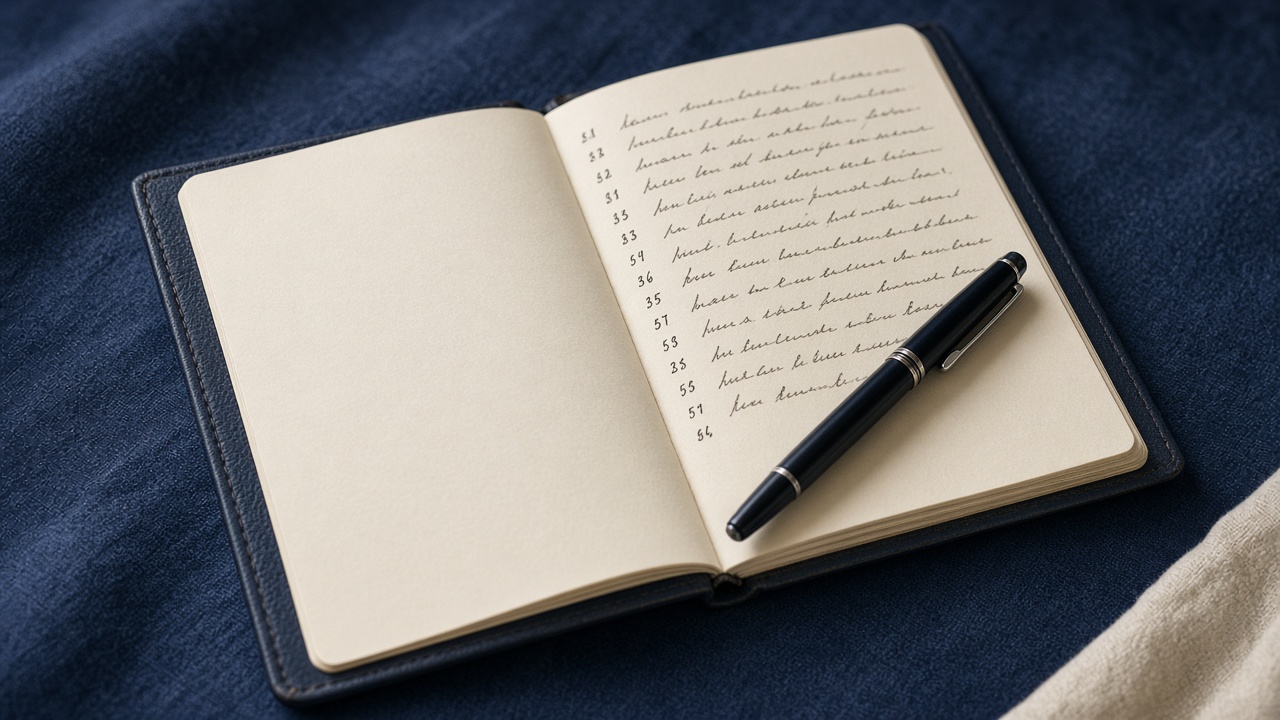
A timeline of 'called' with no outcome is decoration. History is useful when the next person can act without a briefing: who you spoke to, what they said, and what happens next.
Teams often believe they have a CRM because they have a timeline. If the timeline is empty, late, or full of 'touched base', they have a log nobody trusts, so they still ask in the corridor.
Teams often believe they have a CRM because they have a timeline. If the timeline is empty, late, or full of 'touched base', they have a log nobody trusts, so they still ask in the corridor.
Trust is a writing habit. Outcome, not theatre. Written while it is still true. Short enough to scan before the next call.
If people still ask in the corridor after looking at the timeline, the timeline is not trusted. Usually it is late, empty, or full of 'touched base'.
Write the outcome, not the theatre
'Called, left voicemail, will try Thursday' is enough. 'Touched base' is not. 'Had a good chat' is not. The next person needs the facts that change what they do.
If the call produced a decision, write the decision. If it produced nothing, write that too, with the next date. Silence on the timeline is how two people call the same customer in one morning.
Log it when it happens
End of day notes are fiction. You will smooth the story, forget the access code, and skip the awkward bit. Two sentences after the call will beat a paragraph tomorrow.
If you are driving, a voice note to yourself that you type in at the next stop still beats Friday's reconstruction.
- ✓Who you spoke to
- ✓What they said, in practical terms
- ✓What happens next, with a date
“I used to write 'called, all good' because I was busy. Then a colleague quoted a price I had already moved. Now I write the number we discussed and the day I will send the quote. It takes twenty seconds and it has saved us twice this month.”
Email and calls should join the same story
If connected email is on the contact, you stop pasting threads into notes. The timeline should be the place you look, not a second inbox search. Calls, emails, SMS, quotes and bookings should read as one sequence.
When they do not, people pick a channel they trust (usually their own mail) and the CRM history dies.
Short enough to scan before a call
If notes are essays, nobody reads them. If they are empty, nobody trusts them. Aim for a few lines that a colleague could use tomorrow. Preferences, promises, risks. Not a diary of how the conversation felt.
The audience is future you, and the person covering your desk. Write for them.
What trust looks like in practice
You open a customer you have never spoken to. In a minute you know the last three contacts, the live quote, and the thing they were unhappy about in May. You can ring without a handover meeting.
That is activity history worth having. Anything less and the timeline is furniture.
What to write in two sentences
Who you spoke to. What they said in practical terms. What happens next, with a date. That is enough. Called, left voicemail, will try Thursday is enough. Had a good chat is not.
If the call produced a decision, write the decision. If it produced nothing, write that too. Silence on the timeline is how two people call the same customer in one morning.
Preferences, promises, and risks belong. A diary of how the conversation felt does not.
Log it before the next job
End of day notes are fiction. You will smooth the story, forget the access code, and skip the awkward bit. Two sentences after the call will beat a paragraph tomorrow.
If you are driving, a voice note to yourself that you type in at the next stop still beats Friday's reconstruction.
The audience is future you, and the person covering your desk. Write for them, not for a performance review.
- ✓Who you spoke to
- ✓What they said, in practical terms
- ✓What happens next, with a date
One timeline, not a second inbox search
If connected email is on the contact, you stop pasting threads into notes. Calls, emails, SMS, quotes, and bookings should read as one sequence.
When they do not, people pick a channel they trust, usually their own mail, and the CRM history dies.
You do not need essays. You need a minute of reading before a call to know the last three contacts, the live quote, and the thing they were unhappy about in May.
What trust looks like on a cold open
You open a customer you have never spoken to. In a minute you can ring without a handover meeting. That is activity history worth having.
Anything less and the timeline is furniture. Furniture does not stop a wrong price going out.
Ban the empty verbs
Touched base, chased, circled back. Those words hide the outcome. Replace them with what happened and what is next.
You do not need a style guide. You need a week of refusing empty verbs in the room. People copy what gets accepted.
Two sentences is a complete note
If notes feel like homework, they will not get written. Two sentences after the call is a complete note. Essays can wait for disputes.
Scan time matters. The next person has a minute before they dial. Write for that minute.
Foxtra activity is meant to be the working history, not a diary. Keep it short and current. Log the outcome when it happens, and let email and calls sit on the same timeline so there is only one story to read.
Keep it short and current. Log the outcome when it happens, and let email and calls sit on the same timeline so there is only one story to read.
Write so a colleague could call back tomorrow without asking you. If they still have to ask, the note was theatre.
History you can trust is short, current, and useful to someone who was not in the conversation. Write for them.