
Operations
Invoice from the same customer record
Accounts software without the job story leads to vague invoices and slow payment. Bill from the quote, the visit and the notes you already captured.
7 min read
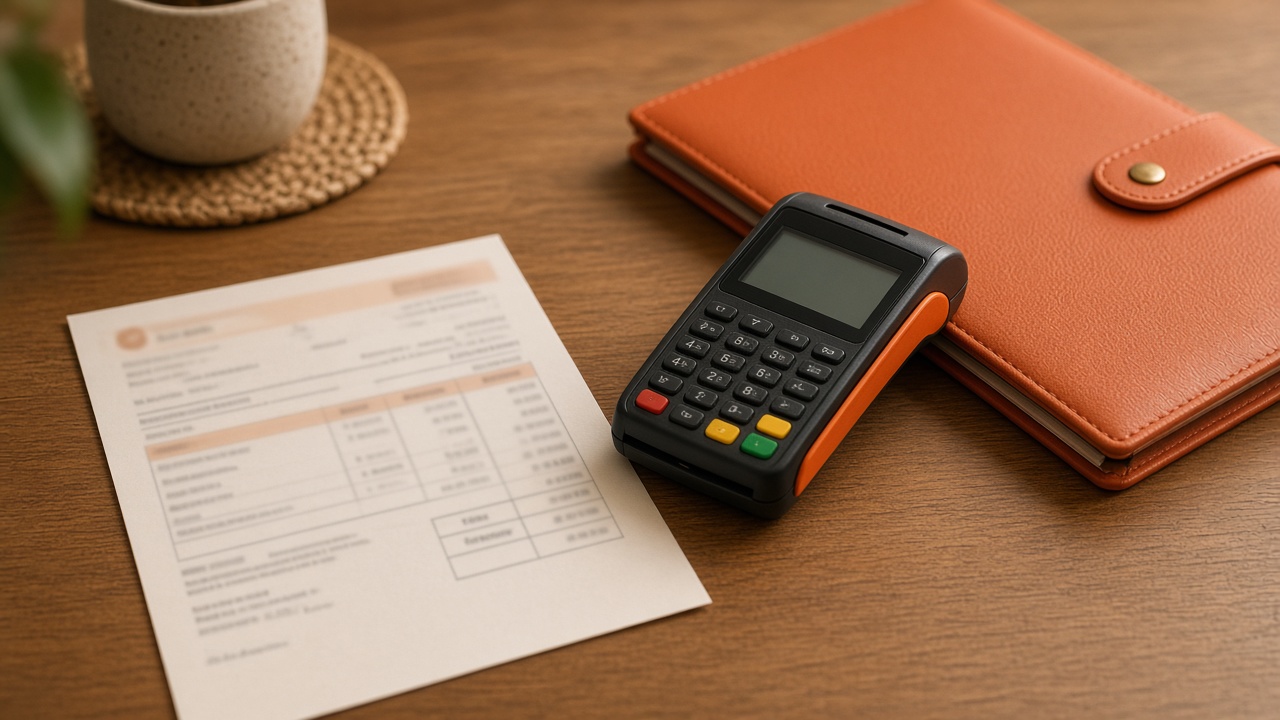
Invoicing in a separate tool is common. The problem is the invoice no longer knows the quote, the visit or the extras agreed on site. Then you get disputes, delayed payment, and an afternoon spent reconstructing the job from memory and photos.
Month-end should not be an archaeology project. If the work was captured on the customer as it happened, billing is a check, not a rebuild.
Month-end archaeology is a sign the work was never written down when it happened. The invoice then has to invent a story. Customers can feel that. They delay, they query, and they pay slowly.
You can still use dedicated accounts software. The customer record should still show what was billed, for what, and whether it is paid. Sales and ops should not live in a different universe from finance.
If finance still asks the field 'what did we do at this address', the invoice is being invented. Invented invoices get queried.
Bill what was agreed
If the quote and the job notes are on the customer, the invoice can match them. That is faster than rebuilding the work from memory at month end, and it is fairer. The customer sees the same story they already accepted.
Extras belong in the notes the day they happen. A verbal 'we'll add that' with no line on the record is how you either undercharge or surprise them.
Payment questions need history
When a customer asks what a line is for, you should open the record, not search email for a photo of the job. The quote, the booking, the site note and the invoice should be one chain.
Vague invoices ('services as discussed') invite delay. Specific invoices that match the record get paid faster because there is less to argue with.
- ✓What was quoted, including the live version
- ✓What was done, including extras noted on the day
- ✓What is still outstanding, if the job is staged
“We used to invoice from a spreadsheet of addresses. Half the disputes were jobs we had done slightly differently on site. Once the invoice came off the same record as the quote, the arguments mostly stopped.”
Do not rebuild the job at invoice time
If invoicing takes a hunt, the work was never captured on the customer. Fix capture, not the invoice template. A prettier PDF will not save missing extras and the wrong quantity.
A practical test: can someone who did not do the job draft the invoice from the record alone? If they cannot, the field notes are still in someone's head.
Repeat work starts here
A clean invoice on a complete record is how you ask for the next job without sounding lost. You can refer to what was done, what is due for service, and what they mentioned on site.
A messy invoice is a full stop. People pay it (sometimes) and you both pretend the relationship ended at the transfer.
Keep money and work on the same story
You can still use dedicated accounts software. The customer record should still show that an invoice went, for what, and whether it is paid. Otherwise sales and ops are looking at a different universe from finance.
When those views match, chasing payment is a conversation about the job, not a mystery amount.
Bill the agreement, not the memory
If the quote and the job notes are on the customer, the invoice can match them. That is faster than rebuilding the work from photos at month end, and it is fairer. The customer sees the same story they already accepted.
Extras belong in the notes the day they happen. A verbal 'we will add that' with no line on the record is how you either undercharge or surprise them.
Vague invoices that say 'services as discussed' invite delay. Specific invoices that match the record get paid faster because there is less to argue with.
A practical test for the office
Can someone who did not do the job draft the invoice from the record alone? If they cannot, the field notes are still in someone's head or camera roll.
Run that test on last week's jobs. Where the office has to ring the field, capture failed. Fix capture. A prettier PDF will not save missing extras and the wrong quantity.
If invoicing takes a hunt, do not start by redesigning the invoice template. Start by asking where the quote, the visit, and the extras were supposed to live.
- ✓What was quoted, including the live version
- ✓What was done, including extras noted on the day
- ✓What is still outstanding, if the job is staged
Payment questions are history questions
When a customer asks what a line is for, you should open the record, not search email for a photo of the job. The quote, the booking, the site note, and the invoice should be one chain.
Chasing payment is easier when you can talk about the job. A mystery amount on a statement is how people stall. A line they already agreed to is a conversation you can finish.
If finance and the field disagree, the record was not shared. Align the views before you hire another person to chase.
Repeat work starts on a clean bill
A clean invoice on a complete record is how you ask for the next job without sounding lost. You can refer to what was done, what is due for service, and what they mentioned on site.
A messy invoice is a full stop. People pay it sometimes and you both pretend the relationship ended at the transfer.
When you mark paid, the next dated task belongs on the same customer. Paid is not finished. It is the cheapest moment to plan later.
Staged jobs need staged notes
Deposit, progress, and final only work if each stage is written on the same customer. Otherwise someone bills the whole job early, or forgets the last piece.
Write what this invoice covers in a sentence the customer would recognise. 'Progress on the rear pavilion, as quoted 12 March' is a sentence. 'Invoice 3' is not.
Disputes get shorter when the chain is visible
Open the quote, the site note, and the invoice in one place. Most arguments end there. The ones that do not were going to be arguments anyway, but you will not lose them on missing paper.
Keep photos on the job if they explain a line. A photo in a personal roll will not help you in a week.
Keep invoices with the customer in Foxtra so money and work tell the same story. Quote, visit, extras, invoice, payment. One record, not a reconstruction at month end.
Quote, visit, extras, invoice, payment. One record, not a reconstruction at month end. Keep money and work on the same story even if the tax file lives in another product.
If invoicing is painful this month, do not only work later. Write the job down this week while it is still true. Next month's bills will be shorter.
Bill from the story you already captured. If you cannot, capture is the job this week, not a new invoice layout.